

For several years, enterprise AI has lived mostly on slides. At SAP Connect 2026, that changed. The tone of the week was less "here’s what’s coming" and more "here’s what customers are already running."
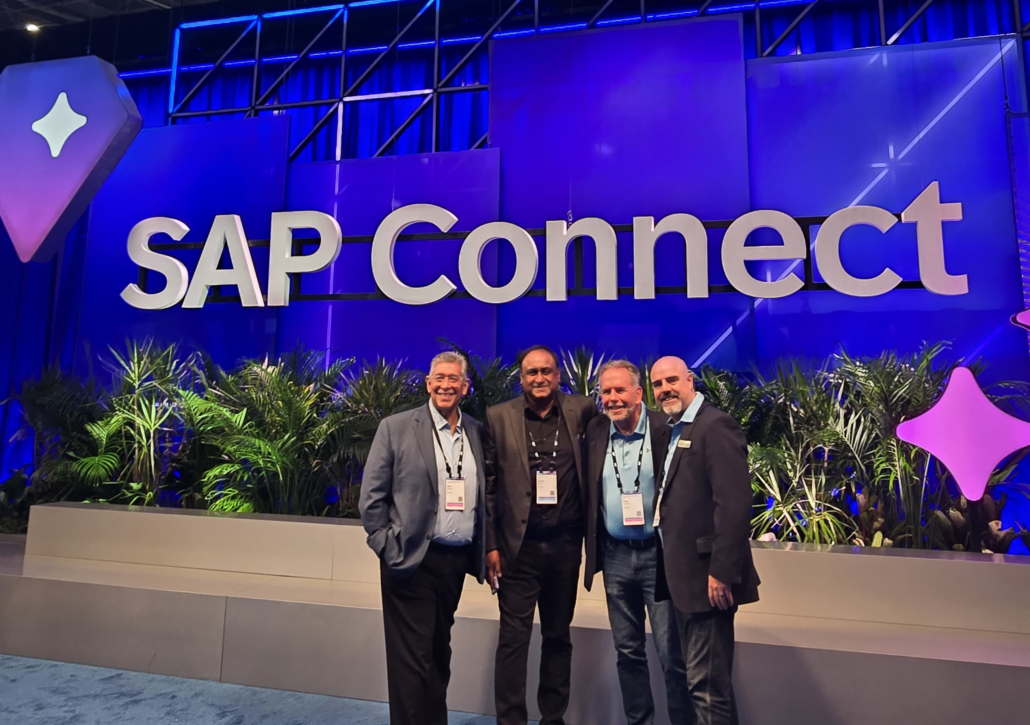
SAP Connect brought more than 4,700 people to the Las Vegas Convention Center from October 5 to 7, with thousands more joining online. GyanSys was there as a Silver Sponsor. Between keynotes, theater sessions, booth conversations and customer dinners, we heard the same question again and again: How do we get from AI announcements to AI results?
Here’s our take on what SAP announced, what it means, and what we learned from the customers we spent the week with.
SAP’s message centered on the Autonomous Enterprise: AI that doesn’t just answer questions but helps get work done inside everyday business processes. It works within the permissions, approvals and audit trails companies already trust.
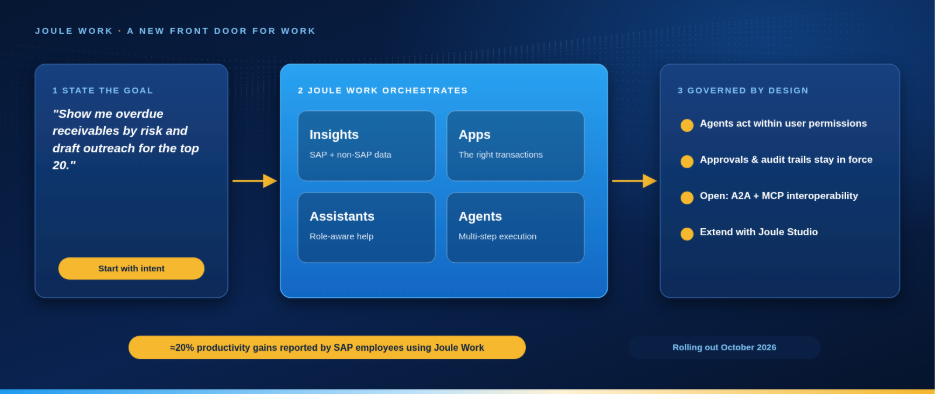
The headline announcement was Joule Work, a single workspace where people state what they want to accomplish. Joule then brings together the data, applications, assistants and agents needed to get it done. Instead of hopping between transactions and reports, users start with a goal and let the workspace coordinate the steps.
Three things stood out to us:
Joule Work begins rolling out this month. It connects directly to Joule Studio, where business users and developers can build and extend their own agents.
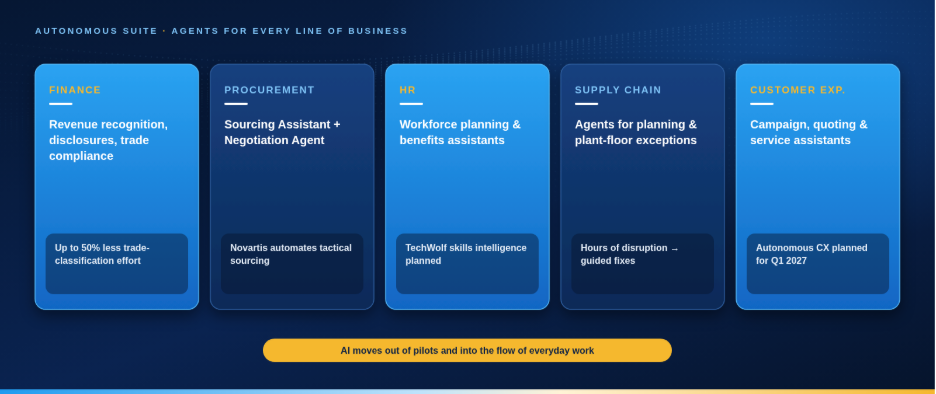
SAP expanded its Autonomous Suite with new assistants and agents across every major function:
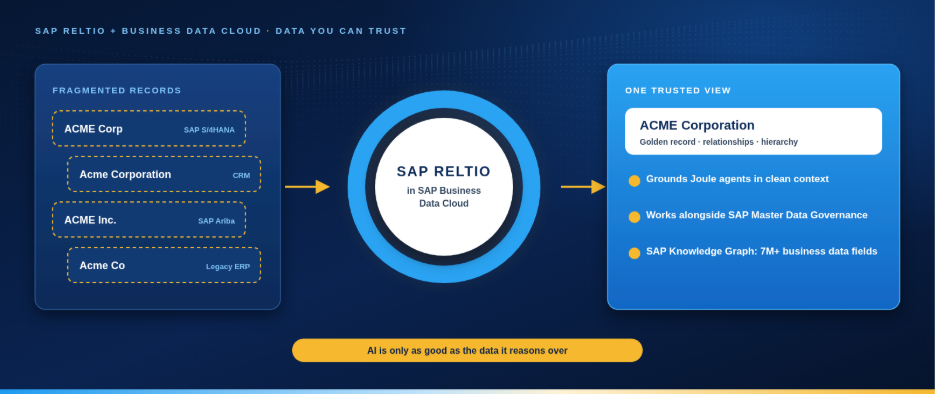
One theme ran quietly beneath every keynote: AI is only as good as the data it reasons over.
SAP Reltio, now generally available in SAP Business Data Cloud, resolves duplicate and inconsistent customer, supplier and product records into one trusted view across SAP and non-SAP systems. It works alongside SAP Master Data Governance, not instead of it. Combined with the SAP Knowledge Graph, which maps more than 7 million business data fields, it gives agents context they can rely on.
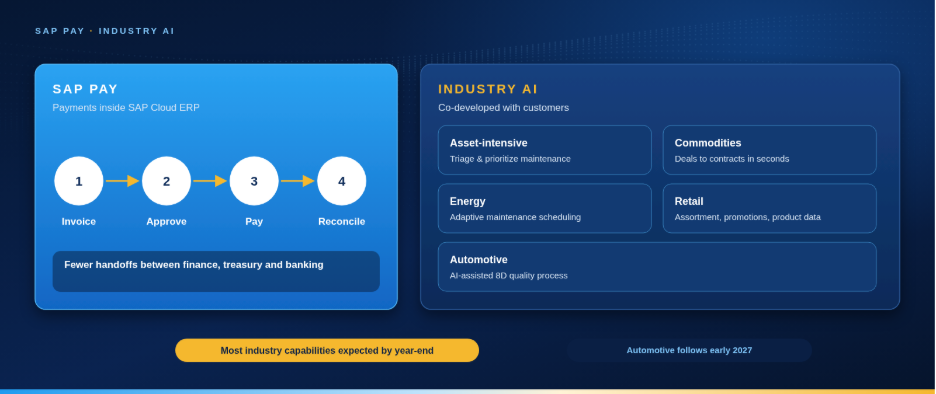
SAP Pay brings payment execution and reconciliation directly into SAP Cloud ERP. That means fewer handoffs between finance, treasury and banking, and more control over a regulated process.
Industry AI expanded with capabilities co-developed with customers:
Most of these are expected by year-end, with automotive following in early 2027.
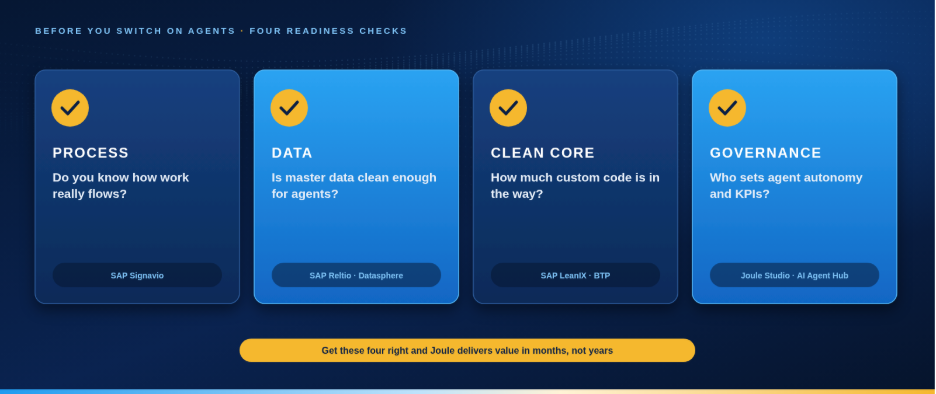
The technology is ready. The real question is whether your organization is. Before you switch on agents, check four foundations:
Teams that get these right will see value from Joule and the Autonomous Suite in months, not years.
As a Silver Sponsor, we brought a team to Booth 6214 spanning leadership, sales and marketing: Mike Ramirez, Jeremy Sisemore, Neeraj Sahu and Clay Bediant. The week opened Monday with pre-event Connect sessions, certification opportunities and welcome activities. The main conference ran Tuesday and Wednesday.
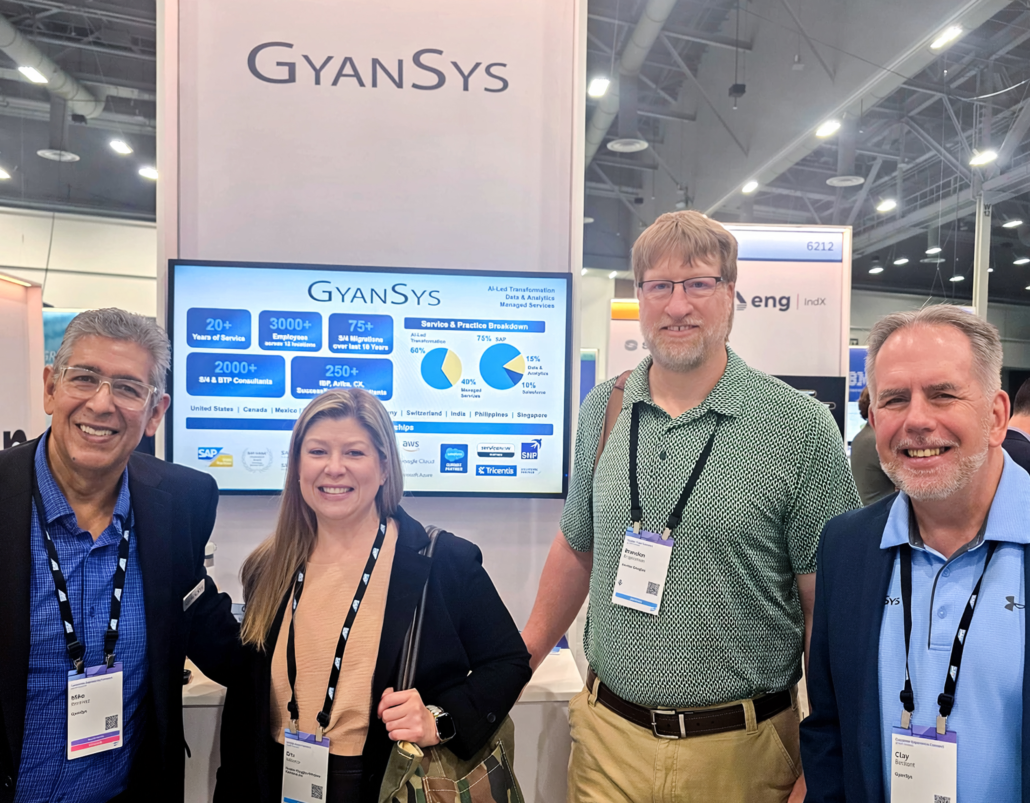
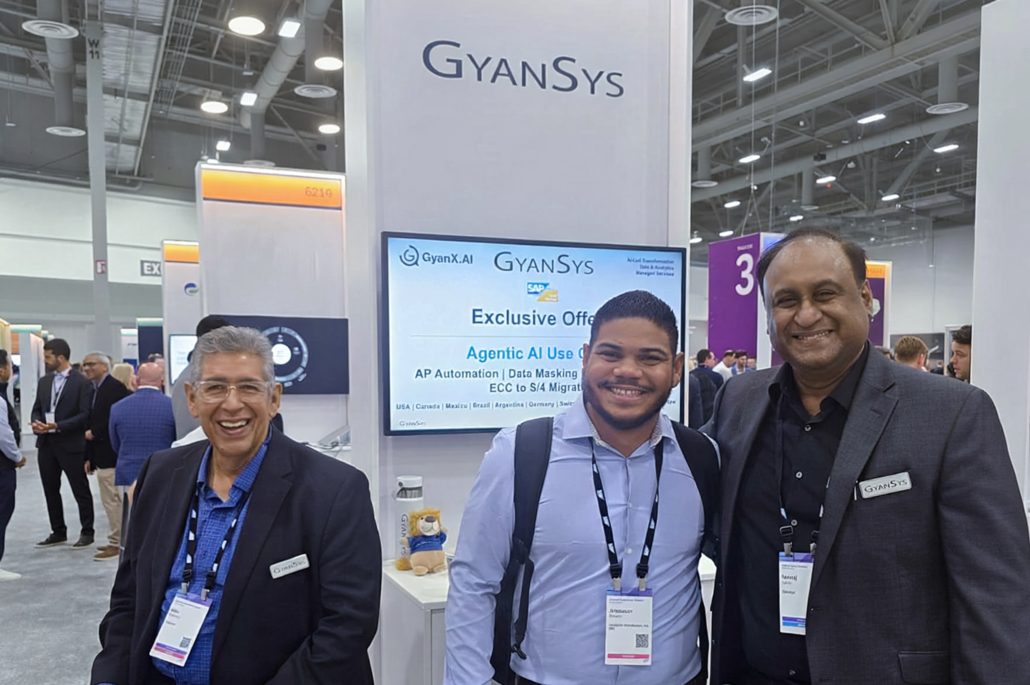
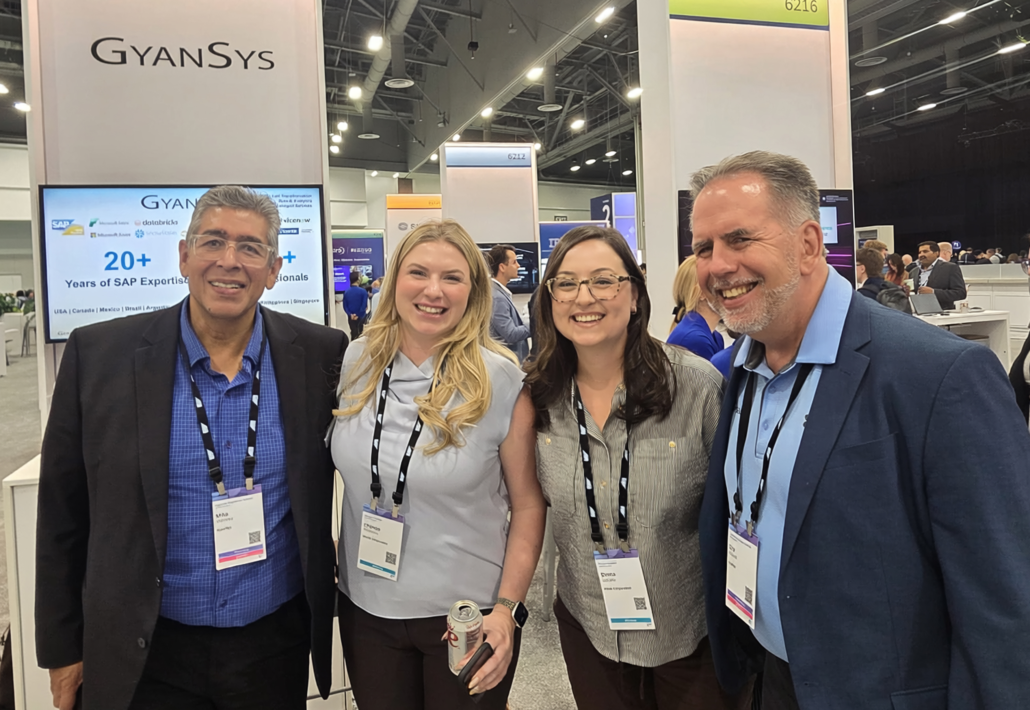
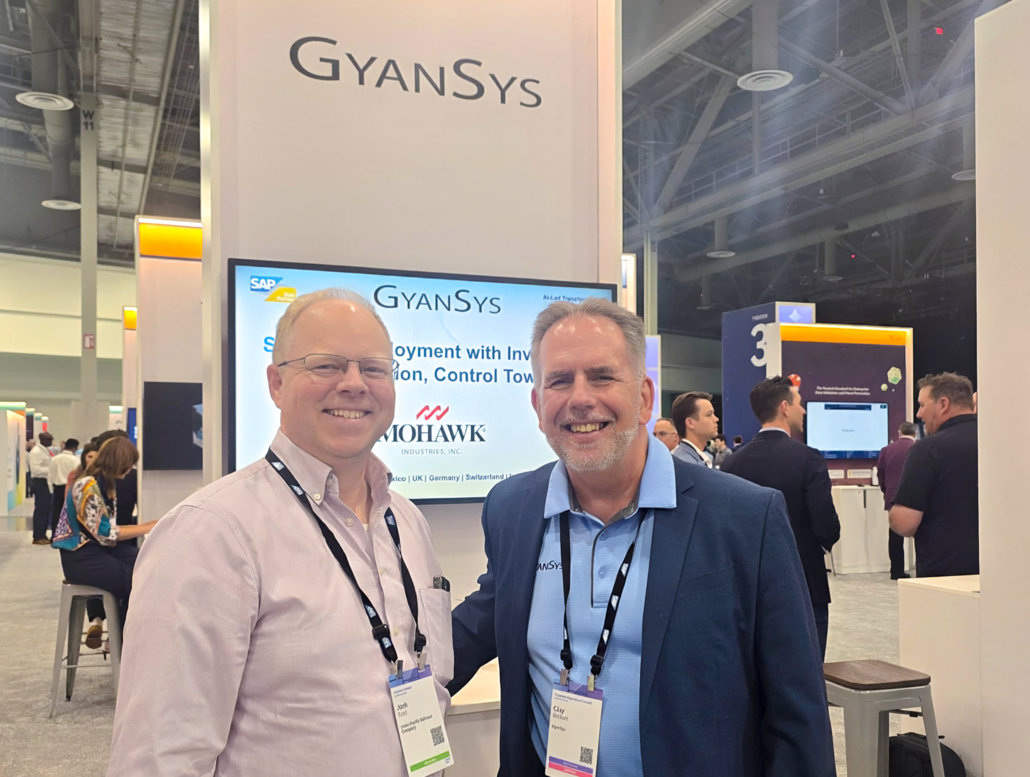
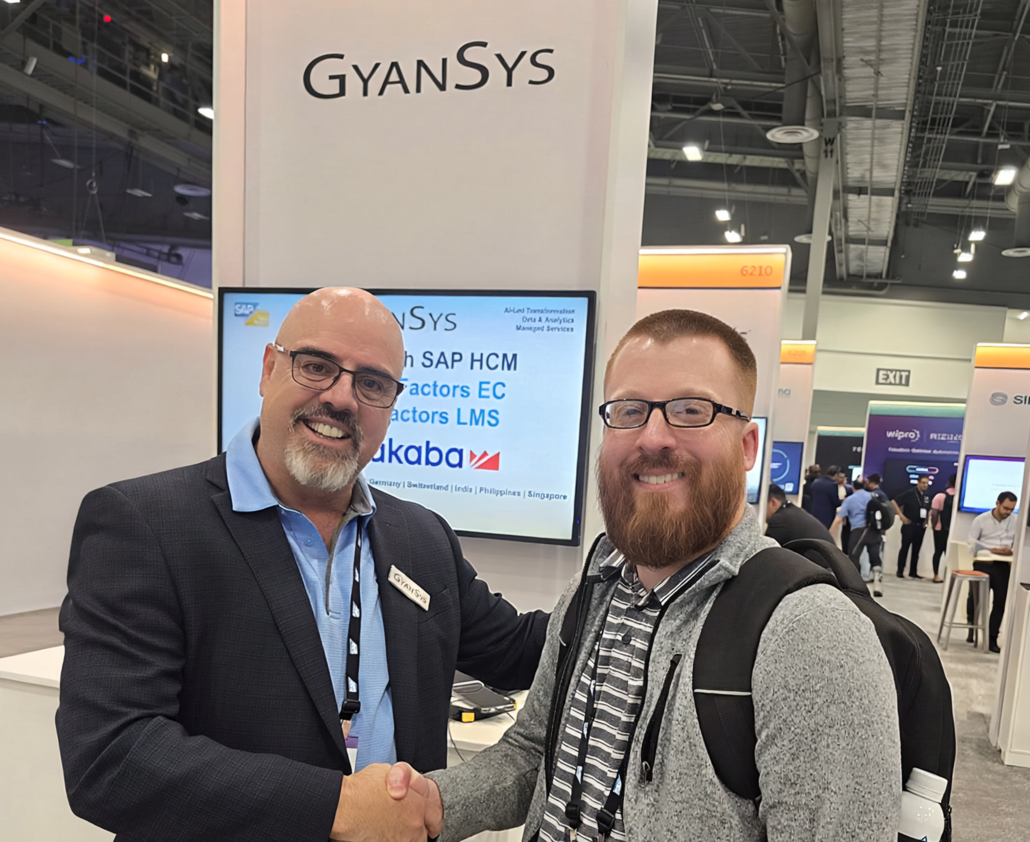
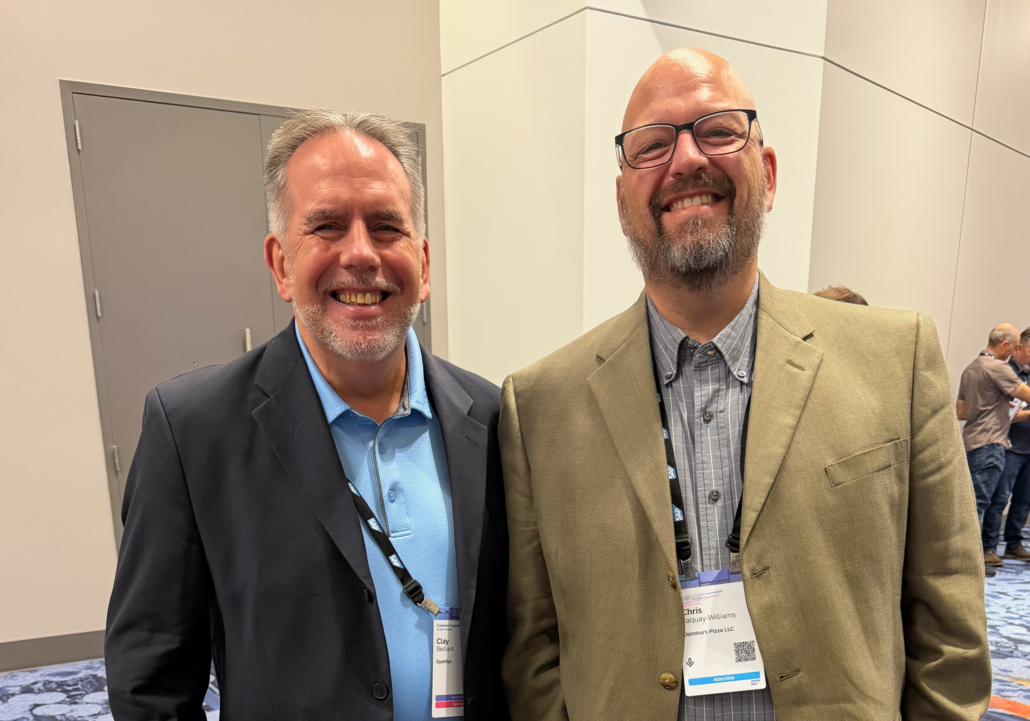
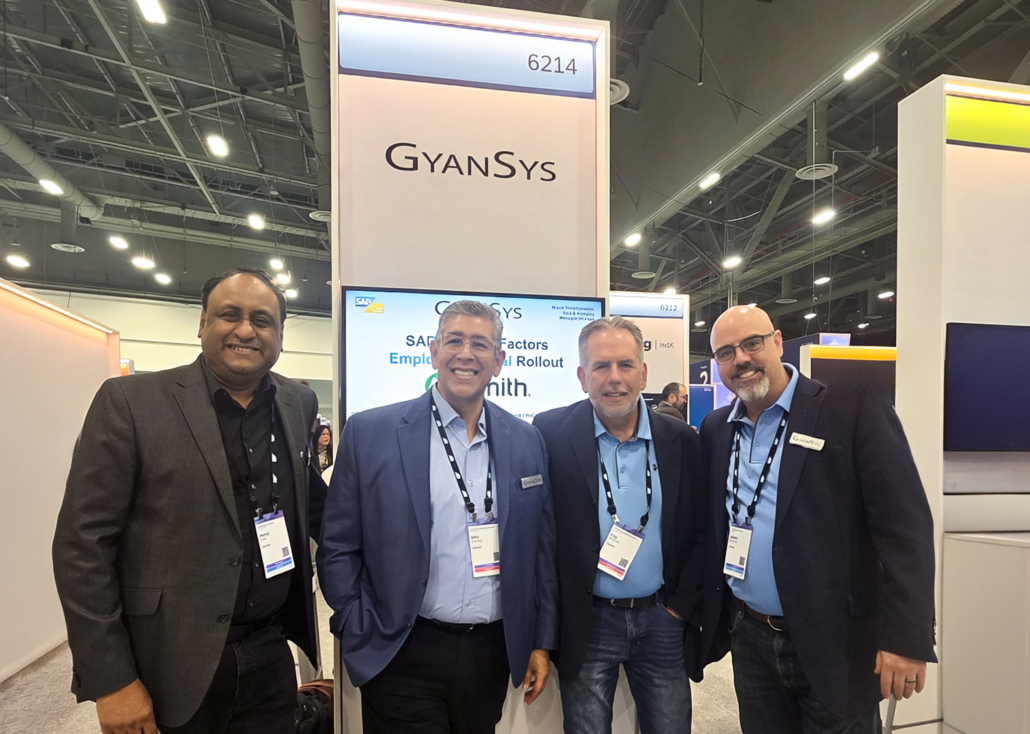
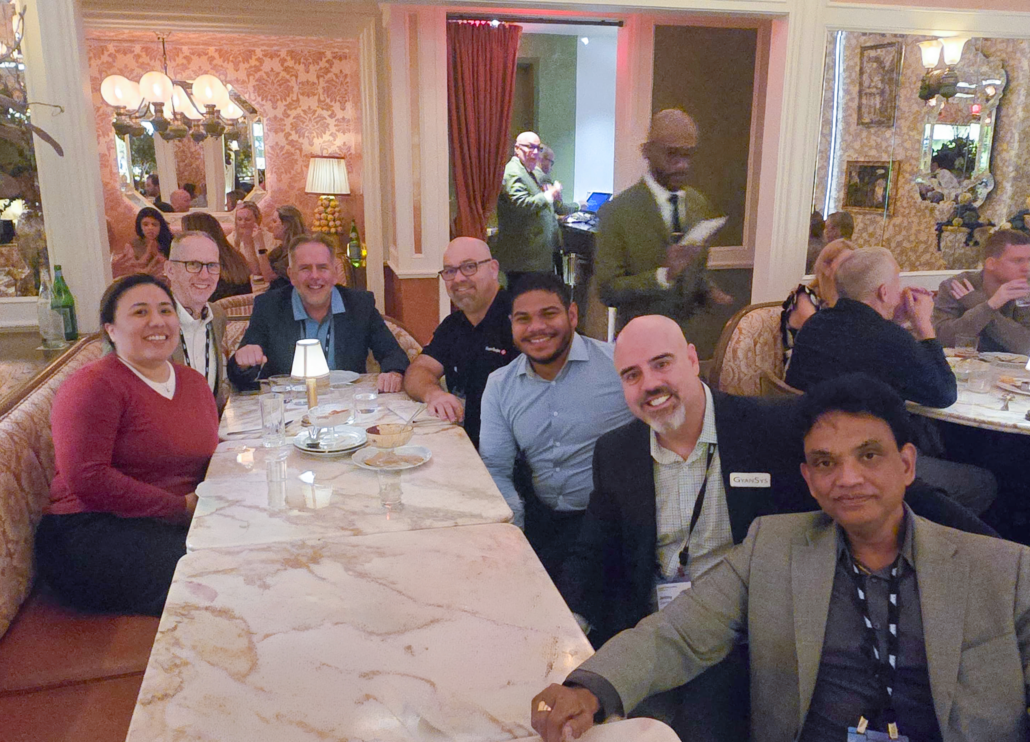
The booth was busy from the first morning to the final hour. We met with customers and prospects from manufacturing, healthcare and life sciences, logistics, food and agriculture, energy and more, including: Union Pacific, Domino’s, H.B. Fuller, Hunter Douglas, Eskenazi Health, Kiewit, IDI, Elanco, Axium Plastics, Owens & Minor, Trident Seafoods, and more.
Many of these conversations came back to the same four readiness questions above: how to get data, processes and the SAP core ready for AI automation across every business function.
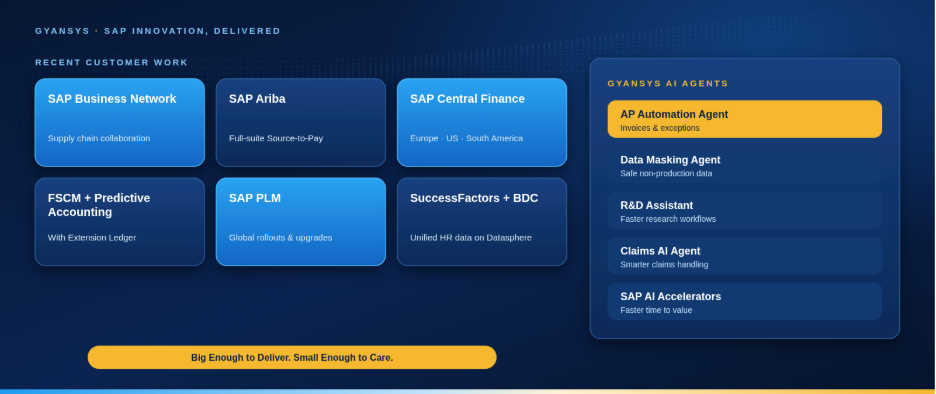
At the booth, we shared recent work that shows what’s possible when strategy meets strong execution:
GyanSys also builds accelerators and AI agents that target specific, everyday business problems:
Each one is designed to fit SAP’s governance model, so innovation never comes at the cost of control.
Whether you’re planning your first Joule use case, cleaning up data for SAP Business Data Cloud or mapping your path to a clean core, our team is ready to help. Book a 1:1 conversation with a GyanSys solution expert, focused on the SAP areas that matter most to your organization.